A home addition is one of the most exciting and rewarding investments you can make in your property. Expanding your living space by building onto your existing home allows you to get the exact layout you need without the cost, hassle, and disruption of moving.
However, a successful home addition requires careful planning. The process runs in a clear sequence: defining your vision, setting a budget, securing permits, hiring the right team, finalizing the design, and finally, construction.
In this step-by-step guide, we walk you through exactly what to expect at each stage of planning a home addition, so you can expand your home with confidence.
Step 1: Define Your Vision and Goals
Every successful addition starts by answering one crucial question: What problem is this new space solving?
Being specific about how you intend to use the space will dictate the size, layout, and budget. Common goals include:
- More living space: Creating an open-concept great room or a larger family room.
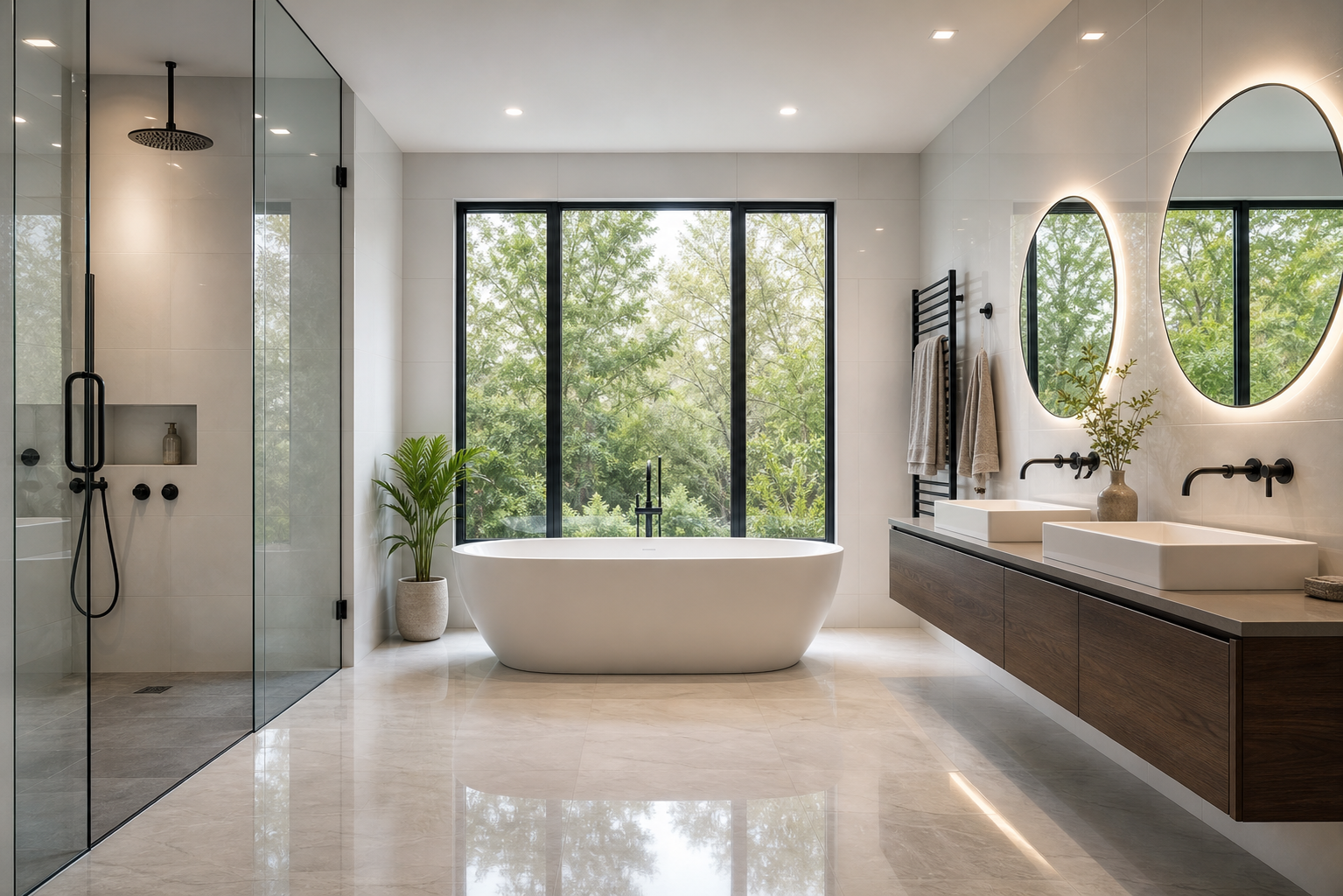
- A dedicated suite: Adding a primary bedroom suite, a guest room, or an in-law suite for multigenerational living.
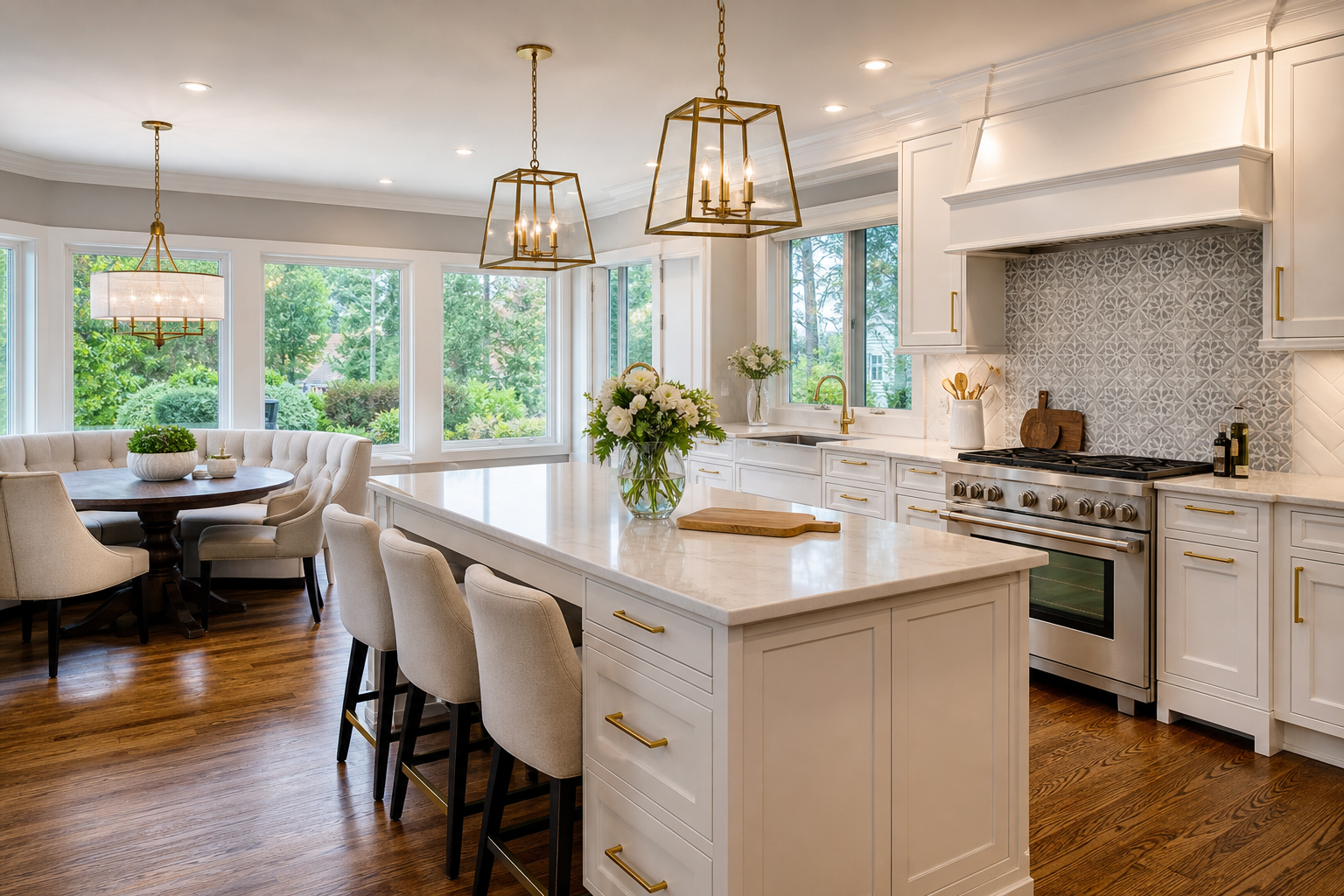
- A bigger kitchen: Adding a bump-out to finally get the counter space and kitchen island you've always wanted. (SEO Tip: Link to your Kitchen Remodeling page here)
- A home office: Creating a quiet, permanent workspace away from the noise of the household.
Tip: Think about the future. A well-planned addition shouldn't just solve today's problem. It should serve your family's needs for years to come.
Step 2: Set a Realistic Budget
A realistic budget is the foundation of a smooth remodeling project. Home additions can range from a few thousand dollars for a modest room bump-out to well over $150,000 for a large second-story addition.
Your total budget needs to cover more than just wood and drywall. Make sure to account for:
- Architectural and design fees
- County permits and inspections
- Construction labor and building materials
- Extending utilities (HVAC, plumbing, electrical)
- Interior finishes (flooring, paint, lighting, and fixtures)
The Golden Rule of Remodeling Budgets: Always build in a 10% to 20% contingency fund for unexpected surprises, especially if you are opening up the walls of an older home.
Step 3: Navigate Zoning, Permits, and Setbacks
Home additions almost always require county permits and must comply with local zoning laws. These rules govern:
- Setbacks: How close you can build to your property lines.
- Lot Coverage: The maximum percentage of your land that can be built upon.
- Height Limits: Restrictions on second-story additions.
If you live in a community with a Homeowners Association (HOA), you will likely need to pass their architectural review board as well. Skipping permits is a massive mistake. Unpermitted additions can result in heavy fines and will often derail the future sale of your home.
Step 4: Hire the Right Professionals
The team you hire will determine the success of your project more than any other factor. Depending on the scope of the addition, you will need a general contractor, a designer (or architect), and specialized tradesmen.
When interviewing contractors, look for:
- Local Experience: Familiarity with your specific county's permitting and inspection processes.
- Proper Licensing and Insurance: This is non-negotiable for protecting your property.
- A Relevant Portfolio: Look for completed additions that match the scale and style of what you want to build.
- Clear Contracts: Ensure you have a detailed agreement outlining milestone payments, material allowances, and a defined schedule.
Step 5: Design an Addition That Blends In
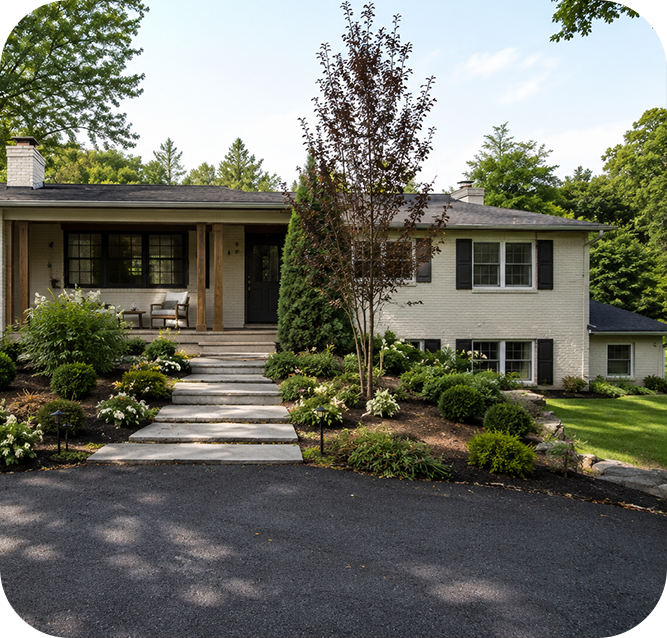
The best home additions look like they were always part of the original house, not like a box bolted onto the backyard.
Achieving a seamless look requires deliberate design. Your contractor should match the exterior siding, roof pitch, window styles, and trim details to the existing structure. Inside, the floor plan should flow naturally. Floor levels and ceiling heights should align wherever possible, and lighting should transition smoothly from the old space to the new.
Step 6: Select Durable, Cohesive Materials
Material choices impact how your addition looks, performs, and lasts.
- Exterior: Prioritize energy efficiency. High-quality insulation and energy-efficient windows will keep your new space comfortable year-round and lower utility bills.
- Interior: Try to carry your existing flooring into the new space for visual continuity. If that’s not possible, choose a complementary material with a clean, intentional transition.
Step 7: Prepare for Construction (and Disruption)
Construction is the longest phase of a home addition. Most projects follow a predictable sequence:
- Site Prep & Foundation: Excavating and pouring the footings.
- Framing: The "skeleton" goes up, and the room takes shape quickly.
- Exterior: The roof, siding, and windows are installed to make the space weathertight.
- Rough-ins: Plumbers and electricians run wires and pipes before the walls are closed.
- Drywall & Insulation: The space finally starts looking like a real room.
- Finishes: Flooring, paint, trim, and fixtures are installed.
Expect noise, dust, and daily activity. Talk to your contractor beforehand about setting up dust barriers to protect the rest of your home, and agree on daily work hours to minimize disruptions to your routine.
Step 8: Interior Finishing to Make it Home
The finishing touches are what make the new addition feel like it belongs. Carry your existing baseboards, door hardware, and trim profiles into the new room. Layer your lighting with a mix of ambient, task, and accent fixtures, and consider adding built-in storage. It is much cheaper to build it in now than to add it later.
Is a Home Addition Worth It?
A well-designed addition directly increases your home’s finished square footage, which adds meaningful value to your property. It provides the exact layout your family needs while allowing you to stay in the neighborhood and school district you already love.
Ready to expand your living space? If you are considering a home addition, our experienced team is here to guide you from the initial design concepts all the way through construction.